


Introduction
Nestled in the heart of North Carolina, Fayetteville is known for its strong sense of community, military presence, and beautiful southern homes. But life here, like anywhere else, comes with its surprises — including the risk of house fires. While fire damage is often immediately obvious, smoke damage can be far less noticeable, yet just as destructive to your property and well-being. Understanding how smoke damage affects your home and health is essential for every Fayetteville resident.
What Is Smoke Damage?
Smoke damage is more than soot or a lingering smell. It’s a combination of invisible and visible particles that result from the incomplete combustion of materials during a fire. After the flames are out, smoke can seep into walls, carpets, furniture, and personal belongings, lingering long after the fire trucks leave.
How Smoke Damage Affects Your Home
*Structural Harm*
-
-
- Smoke penetrates porous materials, staining walls, ceilings, and floors.
- Soot and acidic residue can corrode metal, discolor plastics, and even weaken wood and drywall.
- Fayetteville’s humid climate can exacerbate damage, making it harder for smoke particles to dissipate and increasing the risk of lingering odors and sticky residue.
-
*Damage to Personal Belongings*
-
-
- Clothing, bedding, and upholstered furniture absorb smoke, making them difficult to clean.
- Electronics are particularly vulnerable; even small amounts of smoke residue can cause corrosion or short circuits over time.
-
*Persistent Odors*
-
-
- The distinctive “burnt” smell lingers for months if not properly addressed.
- Fayetteville homeowners who love to entertain or spend time indoors with family may find their living spaces unwelcoming due to persistent odors.
-
*HVAC System Contamination*
-
-
- Smoke travels through ventilation systems, spreading soot throughout the home and contaminating air filters and ducts.
- Such contamination can continually recirculate smoke particles, prolonging exposure for everyone in the house.
-
How Smoke Damage Affects Health
Fayetteville’s active, family-oriented lifestyle often means busy homes with children, pets, and multi-generational family members under one roof. Smoke damage poses numerous health risks:
*Respiratory Problems*
-
-
- Microscopic smoke particles can irritate the eyes, throat, and lungs, leading to coughing, shortness of breath, and increased asthma or allergy symptoms.
- Children, seniors, and those with respiratory conditions, such as soldiers recovering from overseas service at Fort Liberty (formerly Fort Bragg), are especially vulnerable.
-
*Long-Term Health Effects*
-
-
- Prolonged exposure can lead to chronic bronchitis or aggravate pre-existing lung or heart conditions.
- Certain materials that burn (plastics, textiles) produce toxic compounds, which can have carcinogenic or endocrine-disrupting effects over time.
-
*Mental and Emotional Impact*
-
-
- The stress of dealing with fire and smoke damage can take a toll on mental health, causing anxiety and sleep disturbances.
- In a close-knit community like Fayetteville, the support of friends and neighbors is invaluable, but professional help may also be needed to cope with trauma.
-
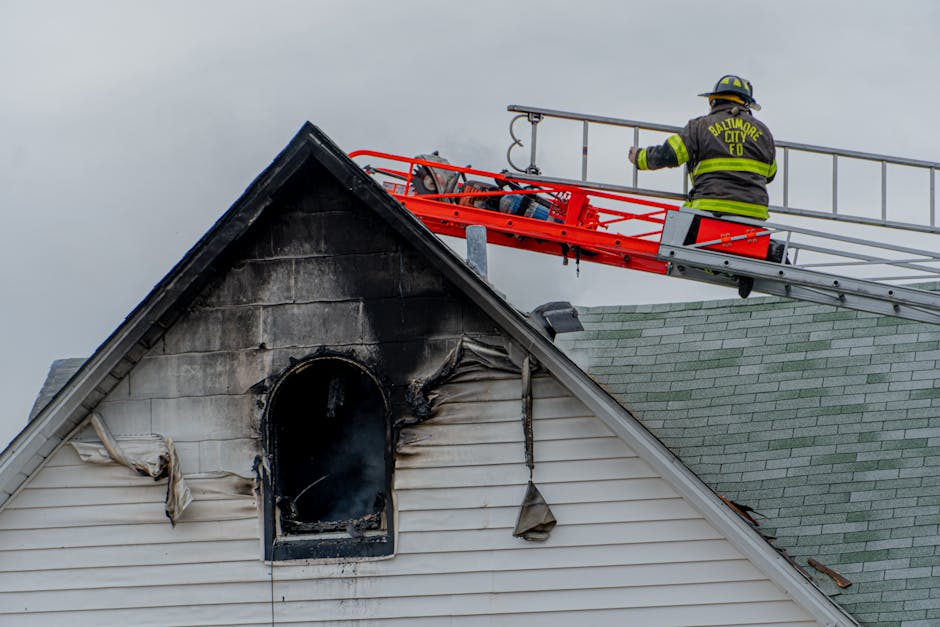
Why Fayetteville Homes Are Especially Vulnerable
With a mix of historic neighborhoods, newer developments, and military residences, Fayetteville is home to a diverse range of housing styles. Many local homes feature wood construction and historic finishes, both of which can be highly porous and easily absorb smoke residue. The mild, humid climate encourages slower drying and recovery, making proper cleanup especially crucial. Seasonal activities, like backyard grilling or holiday cooking, are popular and can increase the risk of kitchen fires, the leading source of residential smoke damage. And as military families cycle in and out of the area, many rental properties change hands frequently, making it important for new residents to verify that any fire or smoke damage has been properly addressed.
Prevention and Immediate Actions
While not every fire can be avoided, Fayetteville homeowners can take some steps to reduce risk and control damage:
-
- Install and test smoke detectors regularly, especially in kitchens and bedrooms.
- Keep fire extinguishers accessible and know how to use them.
- Limit clutter in common fire-prone zones, like kitchens and garages.
- Create and rehearse a family fire escape plan — something especially important for homes with multiple generations or pets.
If you do experience fire or smoke damage:
-
- Avoid re-entering the home until it’s declared safe by fire officials.
- Open windows (if possible) to ventilate.
- Don’t attempt to wipe off soot — this can cause further staining.
- Contact a local Fayetteville restoration expert to assess and mitigate damage promptly.
Proper Smoke Damage Restoration
Professional smoke damage restoration goes beyond simple cleaning:
-
- Experts use industrial-grade air scrubbers, ozone machines, and thermal fogging to neutralize odors and remove contaminants.
- Special cleaning agents are used on different surfaces, from drywall to upholstery.
- Air ducts, carpets, and hard-to-reach areas are thoroughly cleaned and deodorized.
- Restoration professionals also evaluate personal belongings for salvage or replacement.
Homeowners in Fayetteville can benefit from hiring restoration teams familiar with local building codes, climate conditions, and the unique needs of military families.
Conclusion
Smoke damage is often much more than meets the eye, with lingering effects on both your Fayetteville home and your family’s health. By understanding the risks and acting quickly, you can help ensure your home remains a safe, welcoming space where memories are made — not marred by the hidden hazards of smoke.


